
How Do I Know If I Need Ocean Freight?
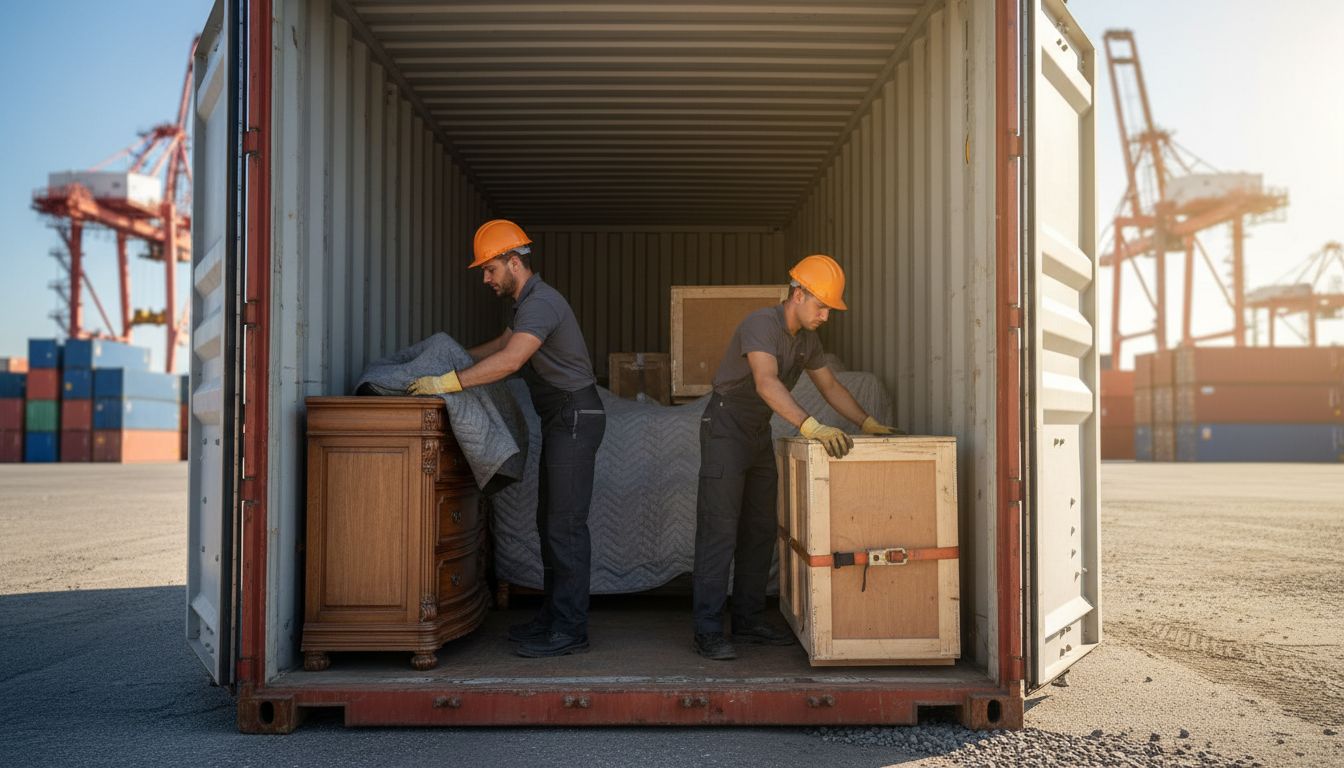
If your overseas move includes furniture, appliances, or more than a few suitcases of personal effects, ocean freight is almost always the right answer. Air freight is built for small, urgent shipments; ocean freight is built for the contents of a home. The checks below let you confirm which one fits your move before you request a single quote.
- Furniture and full-room contents point to ocean freight; a few boxes of essentials point to air.
- Ocean transit is measured in weeks, so work backward from the date you genuinely need your belongings.
- Ocean freight is priced by volume, which is exactly why it wins at household size.
- A shared container suits partial loads; a full container suits a whole house.
- Many households split the shipment: air for essentials, ocean for everything else.
How should I measure an international shipment?
Measure an international shipment by listing what is actually crossing the ocean, including furniture, appliances, and boxes. Ocean freight is quoted by volume, usually in cubic feet or cubic meters, so a bulky but light item like a wardrobe costs far more to move than its weight suggests. Air freight is priced mainly on weight and chargeable volume, and it stops making sense quickly once furniture enters the list.
- Suitcases and a handful of boxes: air freight is realistic.
- One room of furniture plus boxes: ocean freight, usually in a shared container.
- A two-bedroom home or larger: ocean freight, often in a container of your own.
How much time should I allow for ocean freight?
Allow weeks, not days, for ocean freight because the full door-to-door timeline includes packing, loading, port processing, sailing time, customs clearance at destination, and destination delivery. Plan in weeks, not days. Write down two dates - when you leave the Bay Area and when you genuinely need your household goods - and if the gap is comfortably several weeks, ocean freight fits. If the gap is a few days, you are either flying a small shipment or accepting that your furniture arrives after you do, which is normal and perfectly manageable with a short-term plan.
How should I compare ocean and air freight costs?
Compare ocean and air freight using the same inventory list and the same scope. Rather than comparing headline numbers, ask for both options priced against the same inventory list so the comparison is honest. Then compare scope: a door-to-door ocean quote that includes packing, loading, customs documentation, and destination delivery is a different product from a bare port-to-port rate.
4. Sort your inventory into ocean, air, and leave-behind
Make three columns. Heavy and bulky items you intend to keep - beds, sofas, bookcases, dining tables, appliances - belong in the ocean column. Things you need in your first two weeks, plus documents, medication, and a working laptop, belong in the air or carry-on column. Anything that costs less to replace at destination than to ship belongs in the third column, and trimming that column is the fastest way to lower an ocean quote.
5. Check how your destination is actually served
Ocean freight needs a port, and then an inland leg. Find out whether your destination city is served by a container port directly or whether your goods will clear customs at a port and then travel overland, because that inland leg affects both timeline and cost. Landlocked or remote destinations can tilt part of the shipment toward air. Ask specifically how destination delivery works: who meets the container, whether street access is restricted, and what happens to the packing debris.
6. Choose between a shared container and a full container
A shared container, often called LCL (less than container load), means your goods travel alongside other shipments. A full container, or FCL, means the container is yours alone. LCL generally suits studio and one-bedroom volumes and costs less, but it involves consolidation and deconsolidation, which adds handling and schedule steps you do not control. FCL suits larger homes, reduces handling, and often becomes the better value once your volume approaches a container's capacity - so if you are near that line, ask for both priced on the same inventory.
7. Confirm the paperwork before you book
Ocean freight comes with customs documentation on both ends: a detailed inventory valued for customs, identification and visa or residency paperwork, and destination-specific forms for used household goods. Start gathering these while you are still packing, because missing documents hold shipments at the destination port rather than at your front door. U.S. Customs and Border Protection publishes general guidance on exporting personal effects, and the Federal Maritime Commission offers consumer resources on international household goods shipments - both are worth reading before you commit to a sailing.
Signs you do not need ocean freight
Not every big move is a freight question. Ocean freight is probably the wrong tool if any of these describe you:
- You are moving within the Bay Area or to another state, which is a local or long-distance road move.
- Your whole shipment fits in a few boxes and you need it within days.
- You are pausing between homes and need secure storage rather than freight.
- Your destination is reachable by truck without crossing water.
When to call a pro instead
If your inventory includes a piano, large artwork, stone surfaces, a vehicle, or anything needing custom crating, stop estimating and have a professional survey the load. The same applies if you are unsure about restricted items, if your destination country enforces strict rules on used goods, or if your dates are tight enough to need a split air-and-ocean plan. An experienced international mover handles the volume estimate, the packing standard a container crossing demands, and the customs paperwork as one coordinated job instead of three separate problems.
Get a straight answer on your shipment
Ironmen Moving and Storage handles international moving for households across San Jose, Sunnyvale, Mountain View, Fremont, Palo Alto, Redwood City, Hayward, San Mateo, Oakland, and Walnut Creek - including packing, crating, loading, customs documentation, ocean and air freight, and destination delivery. Send a room-by-room inventory and your target dates, and we will tell you plainly whether ocean freight is the right fit or whether air freight makes more sense for what you are shipping. Request a quote through ironmenmovingandstorage.com to get started.
Frequently Asked Questions
As a working rule, once your inventory goes beyond suitcases and a handful of boxes and starts including furniture, ocean freight becomes the practical choice. One room of furniture plus boxes usually fits a shared container, while a two-bedroom home or larger often justifies a container of its own.
Yes, and it is usually the better value. A one-bedroom volume typically travels as a shared container load, which costs less than shipping the same furniture by air. Ask for both options priced against the same inventory list so you can compare honestly.
Ocean freight should be planned in weeks, because the door-to-door timeline includes packing, loading, port processing, sailing time, customs clearance, and destination delivery. Air freight moves in days. Work backward from the date you genuinely need your belongings and decide from there.
That split is very common. Households often air a small essentials shipment so they have clothing, bedding, and work equipment on arrival, then send furniture and the bulk of their boxes by ocean freight. Ironmen Moving and Storage handles both, along with the customs documentation for each.
Expect a detailed inventory valued for customs, identification plus visa or residency documents, and destination-specific forms for used household goods. Requirements vary by country, so gather documents while packing is still underway to avoid delays at the destination port.
Have a question about this? Call 1-800-326-2099 or request a quote.