
7 Signs You Need Customs Documentation for a Move
By Ironmen Moving and Storage, Ironmen Moving and Storage
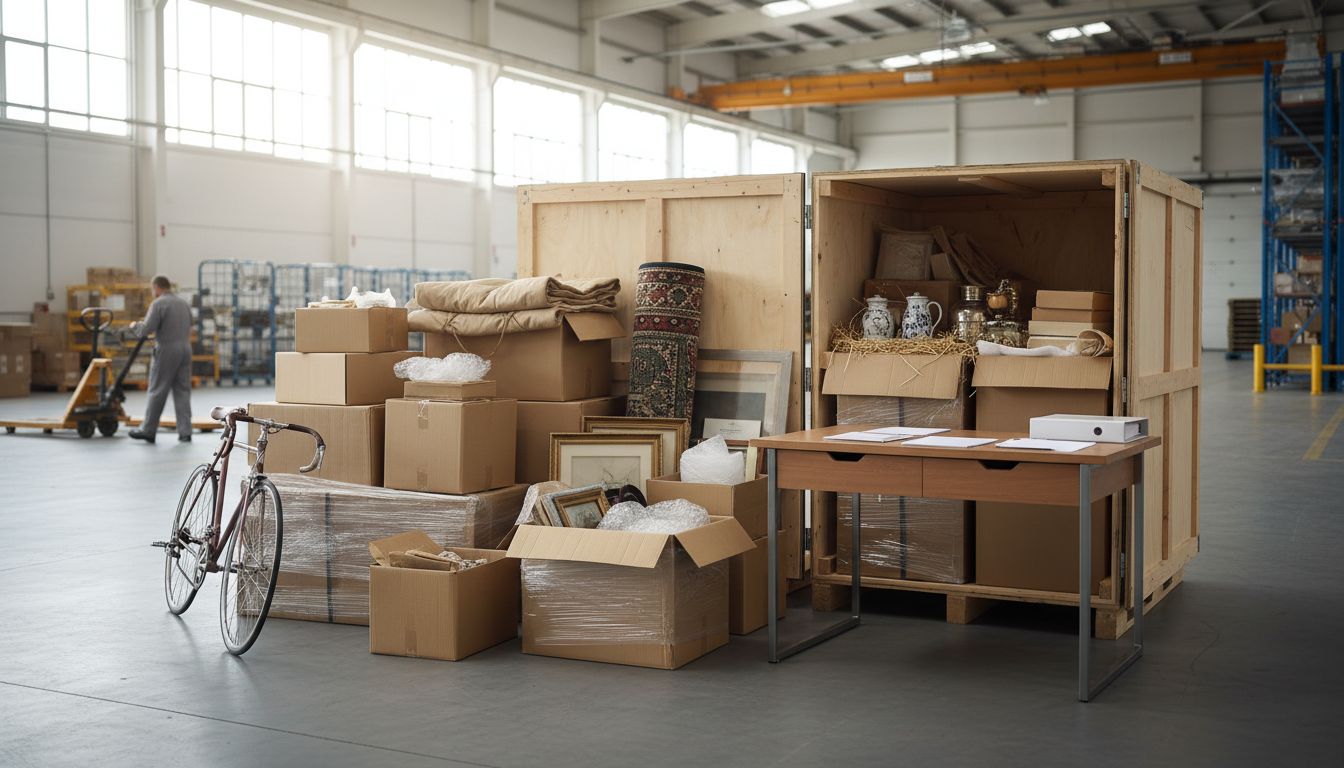
If your move crosses an international border, you will usually need customs documentation before your belongings can be released. The clearest signs are the destination country, the type of shipment, the items included, and whether a carrier or customs professional has requested specific paperwork.
- International moves commonly require customs forms and an itemized inventory.
- Ocean freight and air freight may require different shipment details and deadlines.
- Incomplete descriptions, missing values, or restricted items can delay clearance.
- A moving company can help organize customs documentation before the shipment travels.
1. Do I need customs documentation if my belongings cross an international border?
Yes, household goods moving from one country to another usually need customs documentation. Customs authorities use the documents to identify the shipment, confirm who owns it, understand what it contains, and determine whether it may enter the destination country.
This applies whether your belongings travel by ocean freight or air freight. Even when the items are personal possessions rather than commercial products, they still need to be declared correctly.
2. Do I need separate customs paperwork if my household goods travel later?
Yes, household goods traveling separately from you may require their own customs paperwork. Your baggage declaration at the airport does not automatically cover household goods arriving by ship or aircraft.
Prepare an accurate inventory that explains what is being shipped. Broad descriptions such as “miscellaneous items” may not give customs officials enough information to review the shipment efficiently.
3. What should I do if the carrier asks for customs documents?
You should provide the requested inventory, identification document, declaration, valuation, or other form because the request indicates that paperwork is required for your shipment. The exact documents can vary based on the origin country, destination country, transport method, and personal circumstances.
Do not wait until the shipment reaches the destination to start gathering information. Missing paperwork can create extra questions, storage issues, or delays in destination delivery.
If customs delays leave your belongings waiting longer than expected, it helps to recognize the signs you need secure storage during a move so your items stay protected until clearance is complete.
4. Your inventory includes restricted, regulated, or unusual items
Some belongings need more careful review than ordinary clothing, furniture, and books. Food, plants, medication, alcohol, firearms, batteries, chemicals, animal products, and certain wood or natural-material items may be restricted or subject to additional rules.
That does not always mean the item is prohibited. It means you should identify it accurately and ask what documentation or approval may be needed before packing it for an international move.
5. You are moving temporarily or bringing goods back later
Temporary assignments, study programs, seasonal stays, and other short-term moves can create different customs questions from a permanent relocation. Officials may need to know whether the goods are entering permanently, entering temporarily, or being returned to their original country.
Keep records that support the purpose of the shipment and clearly identify items that may leave the destination country later. A moving professional can help you organize the information for review before the shipment departs.
6. You cannot clearly describe the items or their value
Customs documentation is more likely to cause trouble when the inventory is incomplete, inconsistent, or unclear. Each box does not necessarily need a long explanation, but the contents should be described in plain language with reasonable values and quantities.
For example, “used kitchen plates,” “children's clothing,” or “wooden dining table” is more useful than “household goods.” Accurate descriptions help customs authorities compare the paperwork with the shipment and may reduce follow-up questions.
7. Your shipment cannot proceed to delivery until clearance is complete
If the carrier says your belongings are waiting for customs clearance, that is a direct indication that the shipment's documentation must be reviewed or completed. The issue may be a missing form, an unclear inventory entry, an incorrect consignee detail, or a request for additional information.
Respond promptly and keep copies of everything you submit. Once the shipment is cleared, the carrier can continue coordinating destination delivery, subject to the applicable destination requirements.
Quick reference: when customs paperwork is likely
| Moving situation | Why documentation may be needed | Useful next step |
|---|---|---|
| International household move | Goods are entering another country's customs territory | Build a complete itemized inventory |
| Ocean freight shipment | The shipment travels separately and may require advance cargo information | Confirm document deadlines with the carrier |
| Air freight shipment | Shipment details must be matched to the air cargo record | Verify names, addresses, contents, and values |
| Restricted or unusual items | Additional rules may apply to entry, safety, or ownership | Ask about eligibility and required approvals before packing |
What should you do if you are still unsure?
Start by confirming three details: the country where the shipment begins, the country where it will arrive, and how the belongings will travel. Then prepare a basic inventory and list anything that may be regulated, unusually valuable, or intended for temporary import.
Ironmenmovingandstorage provides customs documentation support as part of its international moving services. You can also review international moving options, packing services, moving services, local moving, and storage options to plan the shipment with the paperwork in mind from the beginning.
In short, you probably need customs documentation whenever personal belongings cross an international border, travel separately from you, include items requiring review, or cannot be released without clearance. Contact Ironmenmovingandstorage to discuss your shipment details and organize the documentation needed for the move.
Frequently Asked Questions
Usually, yes. Household goods crossing an international border generally need an inventory and other customs information so authorities can review what is entering the destination country.
Not always. The required information can vary by transport method, origin country, destination country, and shipment details. Confirm the document requirements with the carrier or moving professional handling the shipment.
Customs authorities or the carrier may request more information before releasing the shipment. This can delay clearance and may affect when destination delivery can be arranged.
Yes. Ironmenmovingandstorage offers customs documentation as part of its international moving services and can help organize shipment information for the applicable process.
Have a question about this? Call 1-800-326-2099 or request a quote.