
Booking Ocean Freight in the SF Bay Area: What to Know
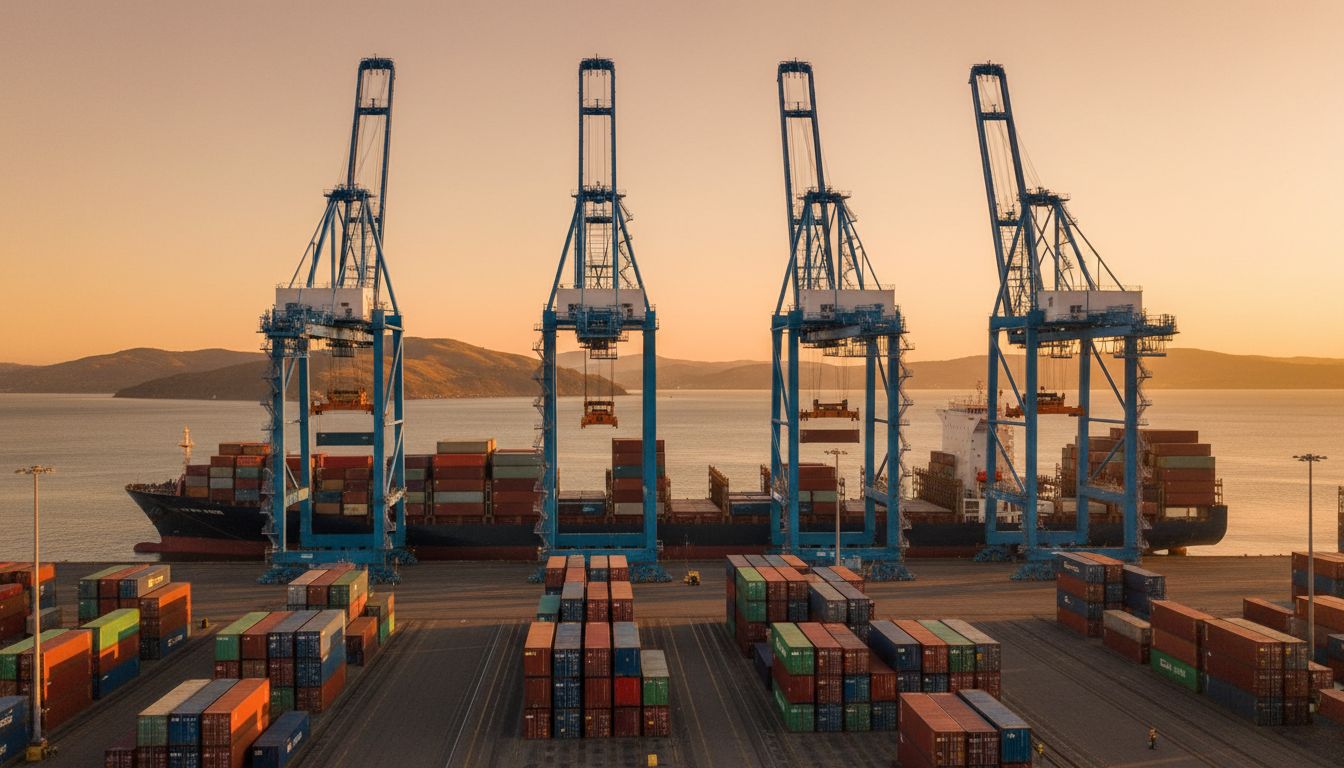
Before you book ocean freight anywhere in the San Francisco Bay Area, four things decide almost everything else: how much volume you are actually shipping, whether you need a full container or a share of one, what the quote covers once the shipment reaches the destination port, and which documents the destination country requires from you. Get those four right and the rest of the move is logistics. For broader planning, review our moving, local moving, and storage options. Get them wrong and you find out at the far end, when the cost of fixing it is highest.
- Volume drives the price. Insist on a survey, not a guess over the phone.
- A full container sails on your schedule; a shared container is cheaper but waits for consolidation.
- Ask whether the quote is port-to-port or door-to-door, and what destination charges are excluded.
- Customs documentation and restricted-item rules are set by the destination country, not by the carrier.
- Bay Area streets, hills and building rules often decide how your goods reach the container.
Checklist: What to Settle Before You Book
- Confirm your shipment volume from a real survey - in person or by video - not an estimate from a room count.
- Ask whether you are quoted a full container (FCL), a shared container (LCL), or a crated liftvan, and why that option was chosen.
- Confirm whether the price is port-to-port or door-to-door, and get destination charges named line by line.
- Ask which documents the destination country requires and who prepares the customs documentation.
- Confirm who packs, loads and crates the fragile or high-value items, and whether crating is included or priced separately.
- Ask what happens between pickup and the sailing date - whether secure storage is available if the schedule shifts.
- Confirm the access plan at your address: street width, permits, stairs, elevator reservations, and whether a shuttle vehicle is needed.
- Ask what protection or valuation options exist for the shipment, and what each one actually covers.
- Confirm who delivers at the far end, and whether destination delivery includes carrying items inside and unwrapping.
- Get the sailing cutoff date in writing, not just an estimated transit time.
Full Container, Shared Container, or Crate
Ocean freight is priced on space, so the single most valuable thing you can do before booking is pin down your volume accurately. A survey that lists every item, including the garage and the storage unit, is what turns a rough range into a number you can hold someone to.
The three usual shapes a household shipment takes:
- Full container (FCL) - typically a 20ft or 40ft container loaded with your goods only. It sails on the schedule you book and is usually the choice for a full home.
- Shared container (LCL) - you pay for the space you occupy alongside other shipments. Lower cost, but the container waits until it is consolidated, and it is deconsolidated at the far end, which adds time.
- Crated liftvan - a sealed wooden crate for a smaller load, handled as one unit. Useful when you are sending part of a home rather than all of it.
None of these is universally better. A studio's worth of goods forced into a full container wastes money; a four-bedroom home split into shared-container lots usually costs more and takes longer than simply booking the container.

Read the Quote All the Way to the Destination Door
This is where most surprises live. An ocean freight rate that ends at the destination port is not the cost of getting your belongings into your new home. Terminal handling, customs clearance, any duties or inspections, and the final road leg to the address are separate stages, and a quote can quietly stop before any of them.
Ask the question plainly: what is the last thing this price pays for? Then ask what the next stage typically costs and who arranges it. If destination delivery is included, confirm what "delivery" means - to the curb, through the door, or placed in rooms.
Customs documentation deserves the same directness. Requirements are set by the destination country and they vary widely: valued inventories, passport and visa copies, proof of residence, and rules on what may not travel by sea at all. Aerosols, flammables, and many food, plant and alcohol items are commonly restricted. Ask who prepares your paperwork and what you are responsible for supplying.
Bay Area Access: The Part People Forget
The Bay Area is one of the harder places in California to stage an ocean shipment, and it has nothing to do with the ocean. San Francisco's narrow streets, hills and permit rules, the mid-rise buildings across Oakland and Berkeley, and the loading-dock and elevator reservation policies common in San Jose, Palo Alto, Mountain View and Redwood City all shape how the container gets loaded.
Practical points to raise before you book:
- Whether a container can legally park at your address, or whether goods must be shuttled in a smaller vehicle.
- Whether your building requires a certificate of insurance, an elevator booking, or a specific move window.
- Whether stairs, a long carry, or restricted street access changes the crew size and the price.
- Whether secure storage is available if your keys, closing date or visa timing slips past the sailing date.
Answer these before signing, and the loading day becomes uneventful, which is exactly what you want it to be.
Ready to Price Your Shipment?
Ironmen Moving and Storage handles international moving from across the San Francisco Bay Area - San Francisco, the Peninsula, South Bay, East Bay and North Bay - including ocean freight, packing, loading, crating, customs documentation, secure storage and destination delivery. Request a survey and a written, itemized quote at ironmenmovingandstorage.com, and bring this checklist with you.
Frequently Asked Questions
How far in advance should I book ocean freight from the Bay Area?
Book once your destination address and target arrival window are firm.
What is the difference between FCL and LCL for a household move?
FCL means a full container loaded with your goods only, while LCL means your shipment shares a container with other goods.
Does an ocean freight quote include customs clearance at the destination?
Not automatically, because some quotes end at the destination port while others include door-to-door service.
Book once your destination address and target arrival window are firm. Ocean shipments run on fixed sailing schedules with cutoff dates, and a shared container also has to be consolidated before it sails, so the booking date and the sailing date are rarely the same. Earlier booking gives you room to move if your closing date or visa timing shifts.
FCL means a full container loaded with your goods only, sailing on the schedule you booked. LCL means you pay for the space your shipment occupies inside a container shared with others, which usually costs less but takes longer because the container is consolidated before departure and deconsolidated on arrival. Your total volume is what normally decides which is sensible.
Not automatically. Some quotes end at the destination port and some run door to door. Ask exactly what the last stage the price covers is, and confirm separately who prepares the customs documentation, who clears the shipment, and whether the final delivery to your address is included.
Sometimes, and sometimes not. Narrow streets, hills, permit rules and building loading policies mean the container often cannot sit at the door, in which case goods are moved in a smaller shuttle vehicle and loaded into the container elsewhere. Raise your street and building conditions during the survey so the access plan is priced correctly from the start.
Restrictions are set by the destination country, but aerosols, flammables and other hazardous goods are broadly prohibited, and many countries restrict food, plants, seeds and alcohol. Ask for the destination country's current restricted list before you begin packing so nothing has to be pulled out on loading day.
Have a question about this? Call 1-800-326-2099 or request a quote.