
Ocean Freight Cost in the San Francisco Bay Area
By Ironmen Moving and Storage, Ironmen Moving and Storage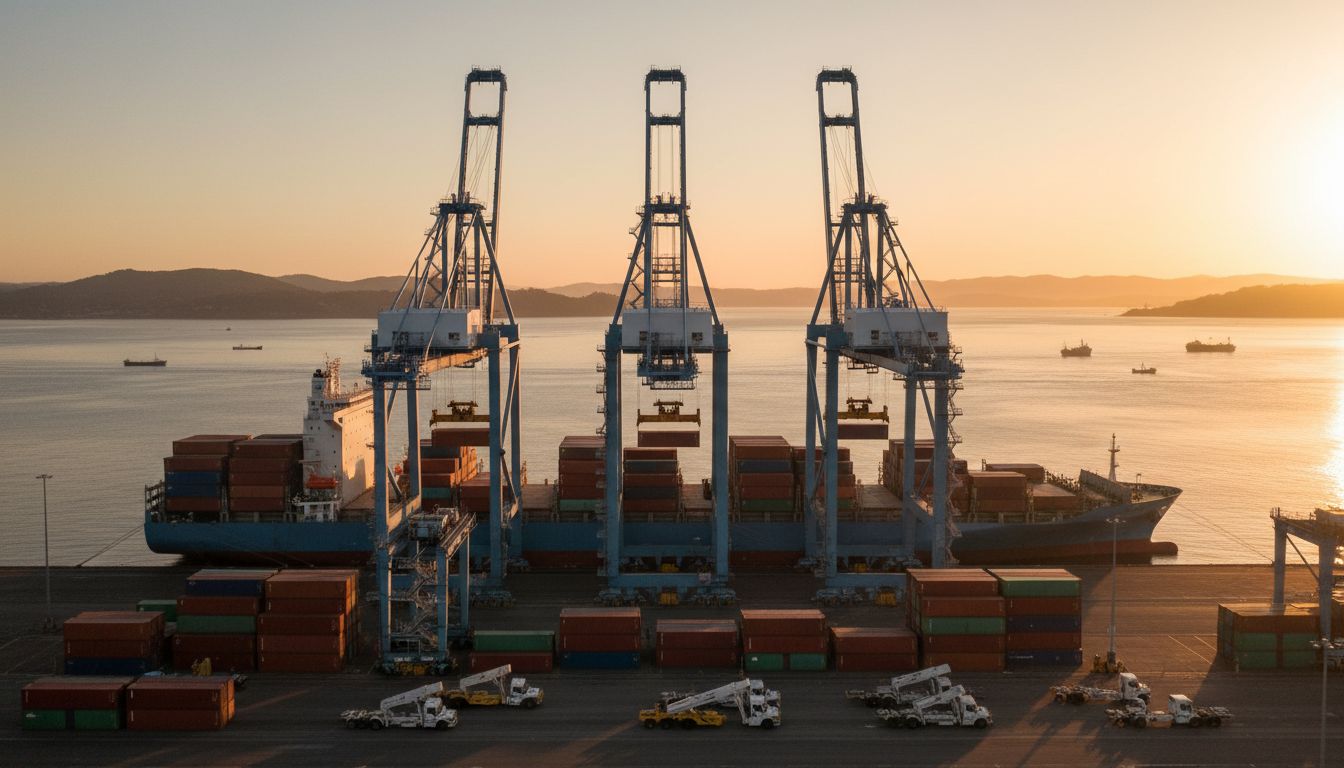
If you are pricing an international move out of the Bay Area, "how much does ocean freight cost" rarely has a single sticker answer. Ocean freight is priced on the space your shipment occupies, the route it travels, and the handling and paperwork attached to it on both ends. The useful question is not "what is the price" but "what is my quote built from." This article walks through a realistic Bay Area household shipment so you can see exactly where the number comes from.
- Ocean freight is priced by volume, not by the number of rooms in your home.
- The two main paths are a full container of your own or shared container space with other shipments.
- Origin services in the Bay Area, customs documentation, and destination delivery are separate line items from the sea leg itself.
- An in-home or video survey is what turns a rough estimate into a quote you can rely on.
- Reducing volume before the survey is the single biggest lever you control.
The situation
Picture a family in Sunnyvale who has accepted a role abroad. They have a three-bedroom home, a few pieces they will not part with, and a move date roughly two months out. They have collected online numbers that range wildly, and none of them explain the spread.
The spread exists because those numbers are answering different questions. One is quoting sea freight only. One is quoting door to port. One is quoting door to door, which includes packing in Sunnyvale, transport to the port, the ocean leg, customs paperwork, and delivery at the other end. Comparing them side by side is how people end up surprised.
What sets ocean freight cost for a household move?
Ocean freight cost for a household move is set by shipment volume, route, origin services, documentation, destination delivery, and storage when needed. A legitimate ocean freight quote is assembled from a short list of drivers:
- Volume. Ocean shipments are measured in cubic space, not weight, for typical household goods. Fewer cubic feet means a smaller bill, every time.
- Full container versus shared space. A full container is yours alone and moves on its own schedule. Shared container space costs less for smaller shipments but consolidates with other cargo.
- Destination country and port. Route, sailing frequency, and local requirements at the arrival port all move the number.
- Origin services. Packing, loading, and crating for fragile or high-value items are priced on what the home actually contains.
- Customs documentation. Preparing and filing the paperwork correctly is its own scope of work, and it is not optional.
- Destination delivery. Getting the shipment from the arrival port to the new address, including access conditions there.
- Storage, if the dates do not line up. Secure storage between move-out and sailing is a separate, ongoing cost.
Notice how many of those have nothing to do with the ocean. That is why two quotes for the "same" move can look nothing alike.
What does the ocean freight process look like?
The ocean freight process for a Bay Area international move starts with a survey and continues through scope decisions, a written quote, packing, loading, sailing, customs, and destination delivery. For our Sunnyvale family, a properly run international move follows a predictable sequence:
- Survey first. A walkthrough of the home, in person or by video, produces a realistic volume estimate. Everything downstream depends on this being honest.
- Scope decisions. What ships, what stays, what goes into storage, and what needs crating. This is the conversation where the price is genuinely negotiable, because volume is negotiable.
- Written quote. The estimate should name each component separately so you can see the sea leg, the origin work, the documentation, and the destination delivery as distinct items.
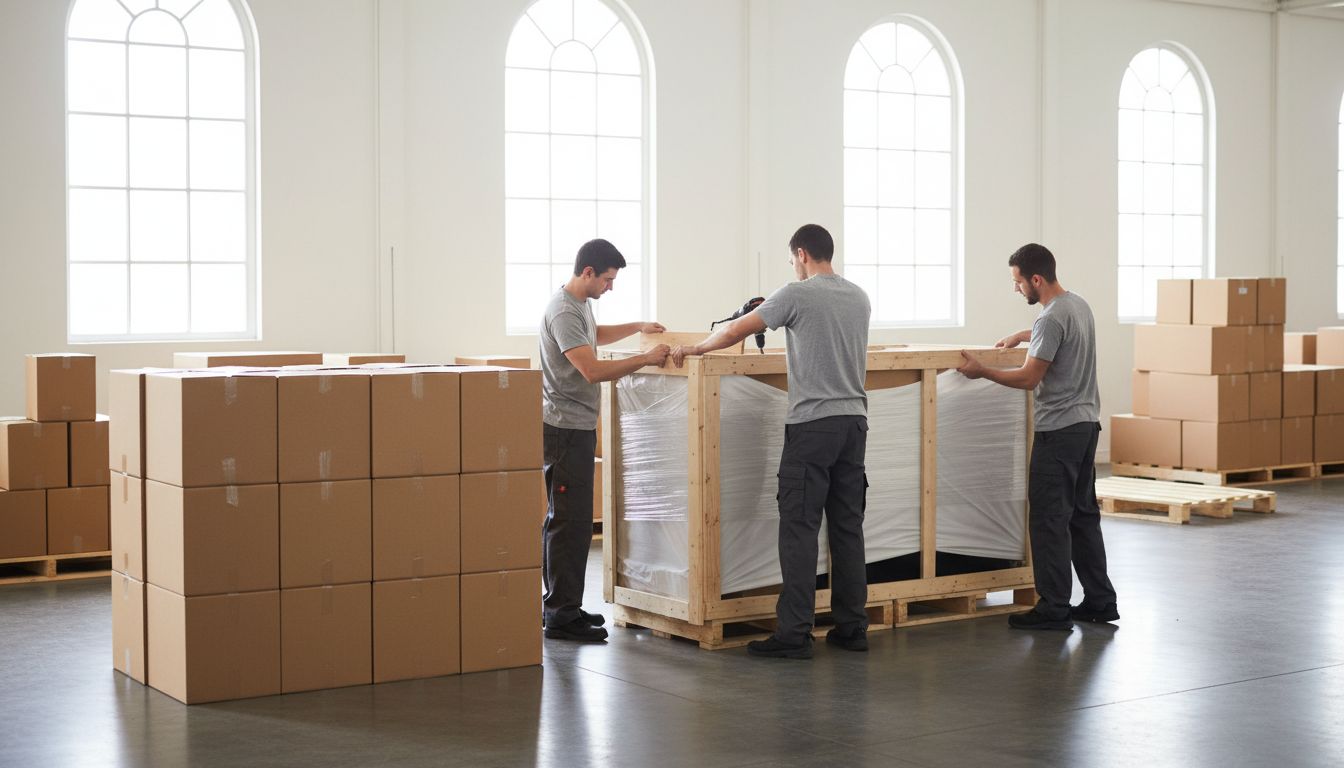
- Pack and load. Professional packing, protective wrapping, and crating for the pieces that need it, then loading in Sunnyvale.
- Drayage and sailing. Bay Area shipments generally move out through the Port of Oakland and onto a vessel.
- Customs and destination delivery. Documentation is cleared, then the shipment is delivered and unloaded at the new home.
Where do ocean freight quotes usually change?
Ocean freight quotes usually change when shipment volume, access conditions, or special handling differs from the estimate. The most common reason a final invoice differs from an early estimate is that the estimate was built on a guess. A phone conversation cannot see the garage, the piano, the marble table top, or the fact that the truck cannot park within eighty feet of the door.
Three things reliably shift the number:
- Volume changes between the estimate and load day, in either direction.
- Access at either end, such as narrow streets, stairs, or long carries.
- Special handling discovered late, such as items that need custom crates.
All three are avoidable with an accurate survey and an early decision about what ships.
What to expect afterward
Once the shipment sails, the cost picture is largely fixed. What remains is timeline and communication. Ocean transit is measured in weeks, not days, and it is sensitive to sailing schedules and clearance at the destination. A well-documented shipment moves through customs without drama, which is precisely why the paperwork is worth paying for.
For a family like the one in our scenario, the realistic outcome is this: a quote they understood before they signed it, a container that left the Bay Area on the expected sailing, and a delivery at the far end with no surprise line items. That is what a transparent ocean freight quote is supposed to buy.
How to get a real number for your move
There is no honest way to price ocean freight from a webpage. The only path to a number you can plan around is a survey of your actual home and a written, itemized quote.
Ironmen Moving and Storage handles ocean freight, packing, loading, crating, customs documentation, and destination delivery for households moving out of San Francisco, the Peninsula, the South Bay, the East Bay, and the North Bay to destinations worldwide. Request a survey and a written quote and we will show you exactly what each line item covers.
Frequently Asked Questions
For typical household goods, ocean freight is priced on the cubic volume your shipment occupies rather than a flat per-room rate. Your quote then adds the services attached to that volume: packing, loading, crating where needed, customs documentation, and destination delivery. Reducing what you ship is the most direct way to reduce the cost.
A full container is dedicated to your shipment alone and moves on its own schedule. Shared container space consolidates your goods with other shipments in the same container, which usually costs less for smaller volumes but ties your timing to the consolidation schedule. Which one is right depends on how much you are shipping and how firm your dates are.
Only if it is written that way. A door to door quote includes origin packing and loading, transport to the port, the ocean leg, customs documentation, and destination delivery. A port to port quote does not. Always compare quotes on the same scope before deciding one is cheaper.
Because the price is driven by volume, access, and special handling, and none of those can be assessed accurately over the phone. An in-home or video survey lets us measure what actually ships, flag items that need crating, and check access at your address, so the written quote reflects the real job.
Yes. Secure storage is available for the gap between your move-out date and your sailing or delivery window. Storage is quoted separately from the freight itself, so you can see what it adds before you commit.
Have a question about this? Call 1-800-326-2099 or request a quote.