
How to Verify Mover Credentials
By Ironmen Moving and Storage, Ironmen Moving and Storage
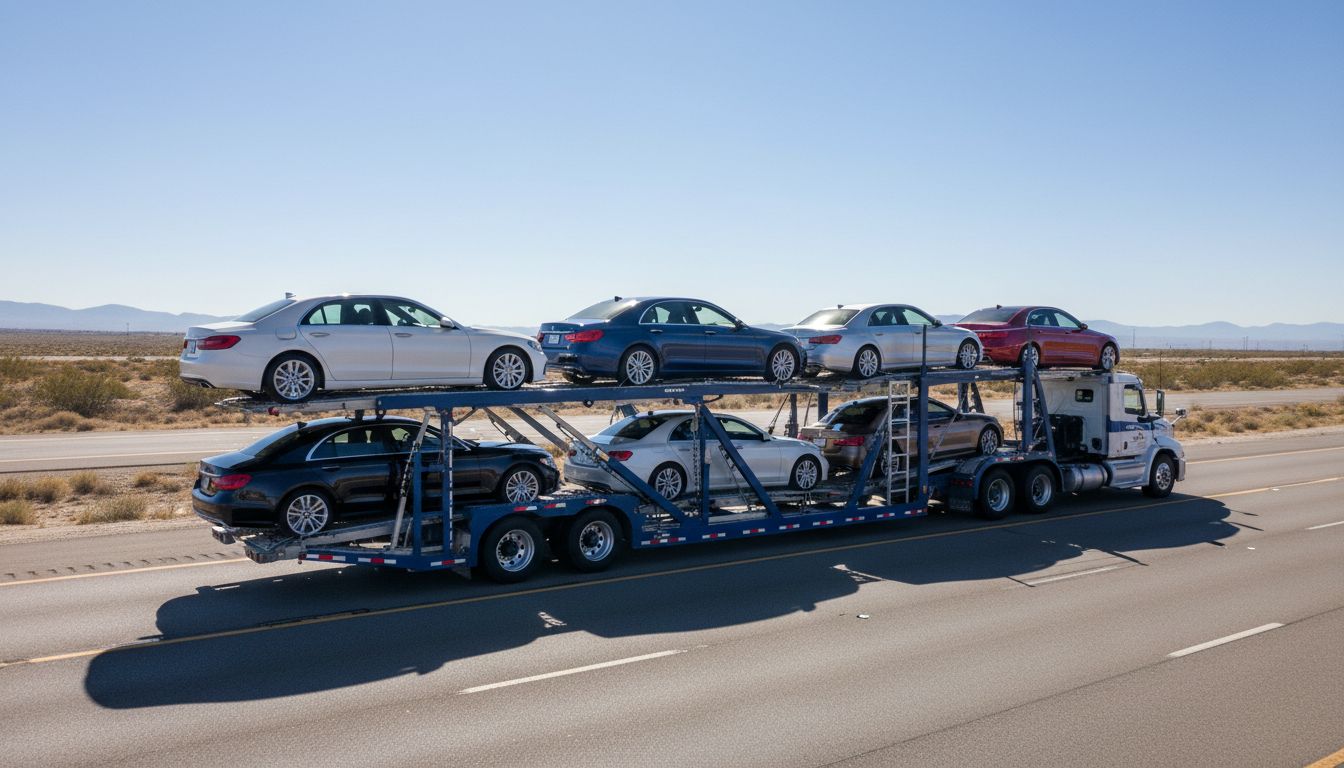
Any company that hauls your household goods from San Francisco across a state line is required by federal law to hold active interstate operating authority - a USDOT number and an MC docket number on file with the Federal Motor Carrier Safety Administration (FMCSA) - plus the public liability and cargo insurance filings that keep that authority active. An overseas household move adds a second credential: the ocean portion must be handled by a company licensed by the Federal Maritime Commission (FMC) as an Ocean Transportation Intermediary. So the honest answer is that the legitimate operators are licensed and insured, but not every outfit advertising interstate and international moves out of the Bay Area actually is. The good news: you can verify any mover yourself, for free, in about five minutes, before you hand over a deposit.
- Interstate: look for an active USDOT number and MC authority for household goods, verified on the FMCSA lookup, not just printed on a truck.
- International: the ocean leg requires an FMC-licensed NVOCC or ocean freight forwarder - check it at fmc.gov.
- Valuation is not insurance. Released value protection pays 60 cents per pound per article; full value protection is the upgrade most San Francisco households want.
- Your building matters. Most SF condo towers and HOAs require a certificate of insurance naming them as additional insured before they release the elevator.
- Ask every mover for its legal name and license numbers in writing - that includes asking us.
What "licensed and insured" actually means for a move out of San Francisco
The phrase gets used as one word in advertising, but it is three separate things, and only one of them is a license.
- Operating authority (the license): federal registration that permits a company to transport household goods for hire across state lines. This is the USDOT and MC pairing.
- FMCSA-required insurance filings: to keep that authority active, a carrier must have current public liability and cargo insurance on file with the federal government. If the filing lapses, the authority goes inactive.
- Commercial coverage your building asks about: general liability, auto liability, cargo, and workers' compensation, proven with a certificate of insurance (COI). This is what a Rincon Hill or Mission Bay property manager wants to see, and it is separate from the valuation coverage on your shipment.
How to verify interstate authority in about five minutes
- Get the legal company name and USDOT number in writing. An email or a line on the estimate is enough. Marketing names and DBAs are common, so you want the name the authority is registered under.
- Search the FMCSA mover lookup. Enter the USDOT number or company name and confirm the record exists and matches the name on your paperwork.
- Confirm the status reads active and that insurance is on file. An inactive or revoked authority means that company cannot legally move your shipment across a state line today.
- Check that the authority covers household goods, not only general freight. Moving a home is a specific class of authority.
- Read the complaint and safety history attached to the record. Patterns beat star ratings here, and the records are public.
Carrier or broker? Ask before you sign
Brokers are also required to register federally, but a broker arranges your move and a carrier performs it. That difference decides who owns your claim if a dresser arrives gouged in Austin or Denver. Ask plainly: "Will your own crew and truck handle this shipment end to end, or are you placing it with another carrier?" Any professional long distance moving quote should name the company that will actually be on the road. For longer routes, see Best Long-Distance Movers: San Francisco to LA, Seattle, NYC.
International moves: the FMC license is the one most people skip
A container going from San Francisco to London, Tel Aviv, Sydney, or Singapore leaves the reach of the FMCSA once it hits the water. Ocean household goods shipments must move through a company holding an FMC license as an Ocean Transportation Intermediary - either an NVOCC or an ocean freight forwarder - and that license is searchable on the Federal Maritime Commission's own site.
For international moving, ask for three things before you book: the FMC license number for the party handling the ocean leg, who is responsible for origin and destination customs paperwork, and whether marine coverage for your goods is included or quoted separately. Marine coverage is almost always a separate purchase from your household goods valuation.
Valuation is not insurance - and the difference is money
Every interstate household goods mover must offer you two levels of liability. Released value protection is included at no extra charge and pays a maximum of 60 cents per pound per article. A 40-pound flat-screen television settles at about 24 dollars under that standard, no matter what you paid for it.
Full value protection obligates the mover to repair, replace, or pay the current replacement value of a damaged item, subject to the deductible and the terms you sign. It costs more, and for most San Francisco households shipping a decade of furniture across the country, it is the realistic choice. Ask for both numbers in writing, and declare items of extraordinary value on the inventory rather than assuming they are covered.
San Francisco logistics that decide whether moving day actually starts
Credentials in San Francisco are not only a legal question, they are an access question. Buildings in SoMa, Mission Bay, and Nob Hill routinely require a COI naming the association as additional insured, with specific coverage limits, submitted days ahead of an elevator reservation. A mover who cannot produce that document on request does not get through the loading dock.
On the Victorian blocks of the Mission, Noe Valley, and the Richmond, the constraint is curb space: a temporary no-parking permit from the SFMTA has to be posted in advance so a 26-foot truck is not shuttling boxes two blocks uphill at hourly rates. Experienced movers in San Francisco handle permits, COIs, and elevator windows as standard pre-move work, not as surprises on the morning of the load.
Official sources to verify any mover (bookmark these)
- FMCSA Protect Your Move - fmcsa.dot.gov/protect-your-move: mover lookup, your rights and responsibilities, and complaint filing.
- SAFER system - safer.fmcsa.dot.gov: company snapshot showing authority status, entity type, and insurance on file.
- Federal Maritime Commission - fmc.gov: licensed Ocean Transportation Intermediary search for international shipments.
- Bureau of Household Goods and Services - bhgs.dca.ca.gov: California's regulator for moves that stay inside the state, where permits are MTR numbers.
Talk to a crew that expects to be checked
Transparency is the whole point of this process: a professional moving company should hand over its legal name, license numbers, and certificate of insurance without hesitation, and should be comfortable walking you through the government lookups line by line. Ironmen Moving and Storage plans local, long-distance, and international moves and storage across San Francisco, Oakland, Berkeley, San Mateo, Palo Alto, and San Jose. Explore our moving, local moving, and storage services. Call (800) 326-2099 and we will go through our paperwork, your building's COI requirements, and your valuation options before you commit to a date.
How can I verify a San Francisco mover's interstate authority?
A San Francisco mover's interstate authority can be verified through the FMCSA mover lookup using its legal name or USDOT number.
What should I ask before an international move from San Francisco?
Before an international move from San Francisco, ask which company handles the ocean leg and who is responsible for customs paperwork.
What documents should a San Francisco building request from movers?
A San Francisco building should request a certificate of insurance and any documents required for elevator and loading access.
Frequently Asked Questions
Ask for the company's legal name and USDOT number in writing, then look it up on the FMCSA mover search at fmcsa.dot.gov/protect-your-move or on SAFER at safer.fmcsa.dot.gov. Confirm the authority status reads active, that insurance is on file, that the authority covers household goods, and that the record matches the name on your estimate.
No. The USDOT and MC authority covers the trucking portion inside the United States. The ocean leg must be handled by a company licensed by the Federal Maritime Commission as an Ocean Transportation Intermediary, either an NVOCC or an ocean freight forwarder, and that license is searchable at fmc.gov. Ask who is responsible for customs paperwork at origin and destination as well.
Not automatically. Federal rules require movers to offer released value protection, which is included and pays only 60 cents per pound per article, and full value protection, which covers repair, replacement, or current replacement value subject to the deductible you select. Valuation is not the same as an insurance policy, so get both options priced in writing and declare items of extraordinary value on the inventory.
Most condo associations and high-rise HOAs require a certificate of insurance naming the building as additional insured, showing general liability, auto liability, cargo, and workers' compensation at stated limits, submitted before your elevator reservation is confirmed. Many SF blocks also need a temporary no-parking permit from the SFMTA so the truck can park at the curb.
Refusing to provide a USDOT number, quoting a firm interstate price with no inventory, demanding a large cash deposit, using unmarked rental trucks, having no verifiable legal business name, or showing an inactive or revoked authority on the FMCSA record. Any one of these is reason to stop and verify before you book.
Have a question about this? Call 1-800-326-2099 or request a quote.